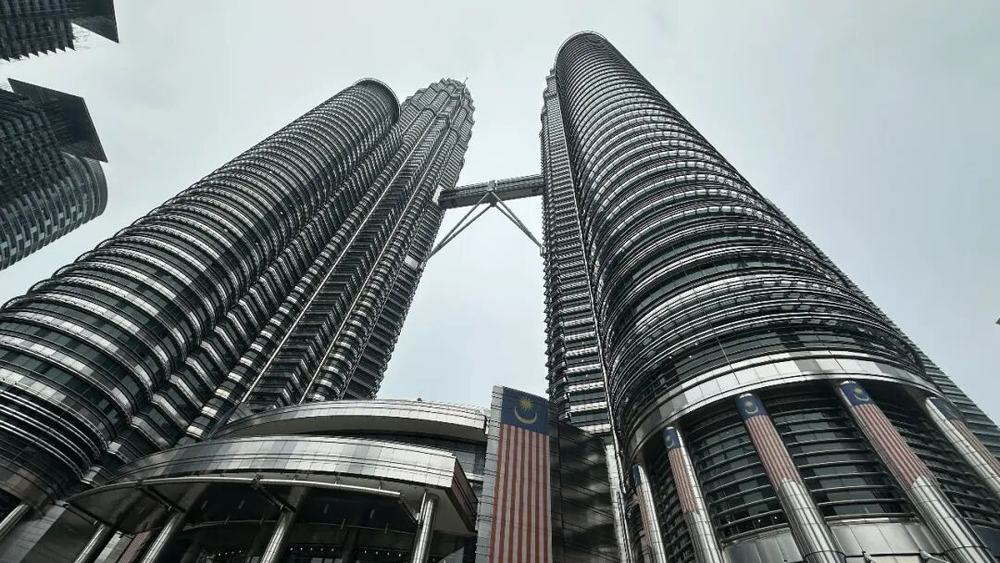
一首由马来西亚女孩创作、火爆网络的歌曲《打火机》
有一句蛮有意思的歌词:
“吉隆坡的天气它是翻云又覆雨,
灰蒙蒙的乌云好几天没见到你。”
A Malaysian song called 《打火机》 (“Lighter”) went viral online,
and one of its lines is rather lovely:
“Kuala Lumpur’s weather flips clouds one way and rain the other,
grey clouds overhead — it has been days since I saw you.”
吉隆坡变幻无常的天气,就这样刻进了更多人的记忆深处。
Kuala Lumpur’s capricious weather has engraved itself on the memories of many more people this way.
这次前往吉隆坡,虽然只待了两三天,却发现这里不仅有“翻云覆雨”的天气,更有现代的时尚与繁华。
This trip to Kuala Lumpur lasted only two or three days, yet I found that besides its “clouds-and-rain” weather, the city has plenty of modern style and bustle too.
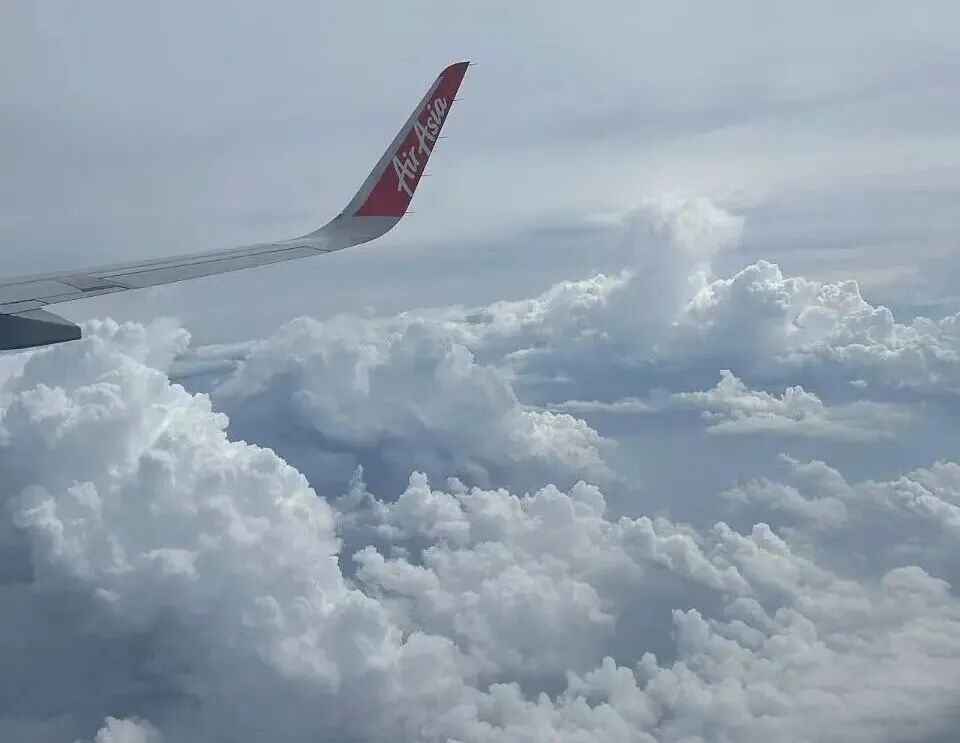
从马来西亚槟城飞往吉隆坡的航班上,机舱外的云层美不胜收。
On the flight from Penang to Kuala Lumpur the clouds outside the cabin window were simply beautiful.
吉隆坡中央车站人来人往,到处是行色匆匆的赶路人。
KL Sentral station was full of people coming and going, everyone hurrying about their business.
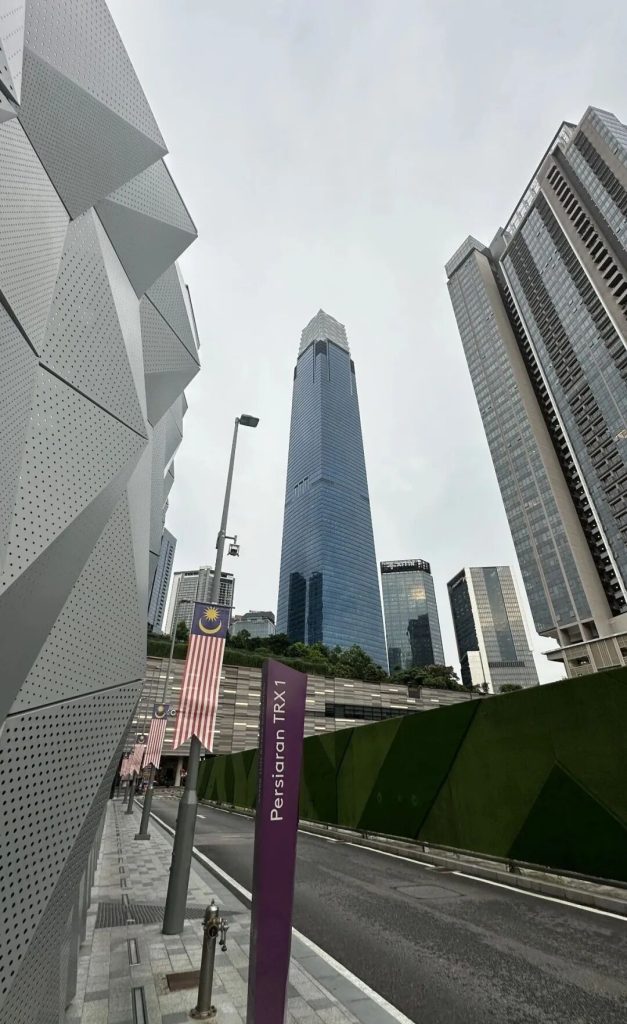
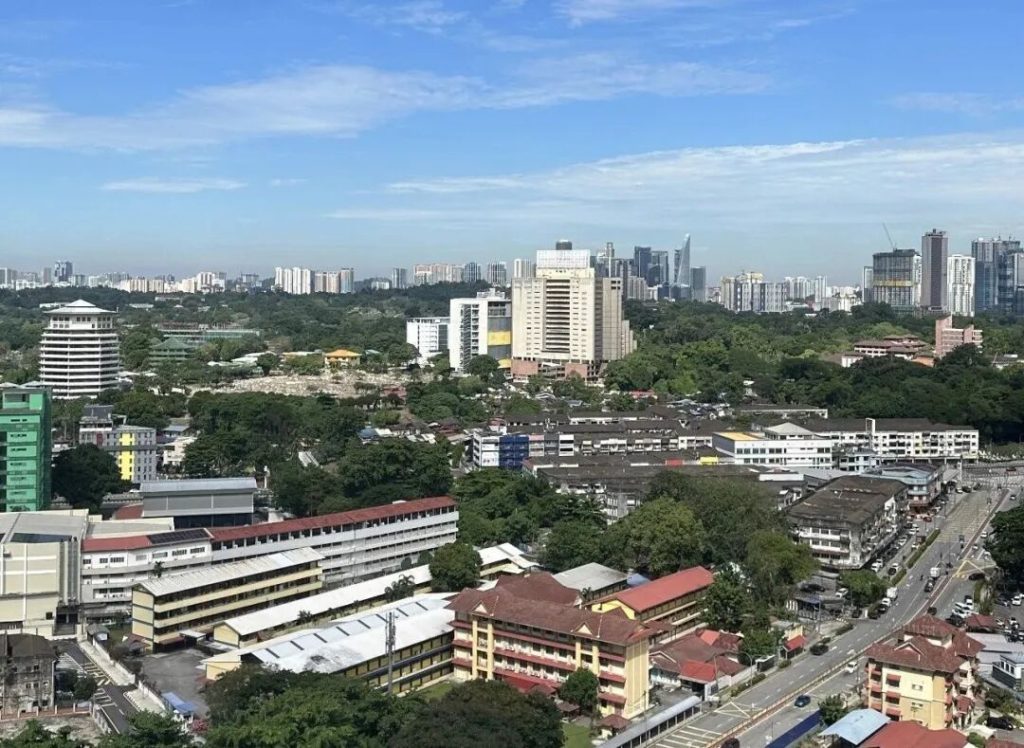
抵达吉隆坡时已近下午5点,天气异常晴好,丝毫看不到任何“翻云覆雨”的迹象,天空万里无云,城市里随处可见有轨电车与高楼大厦,当然也夹杂着一些传统的风物。
We arrived in Kuala Lumpur close to five in the afternoon, and the weather was exceptionally fine — not a trace of the promised “clouds and rain”. The sky was cloudless, trams and tower blocks stood everywhere, and here and there the city still kept some of its older, traditional features.
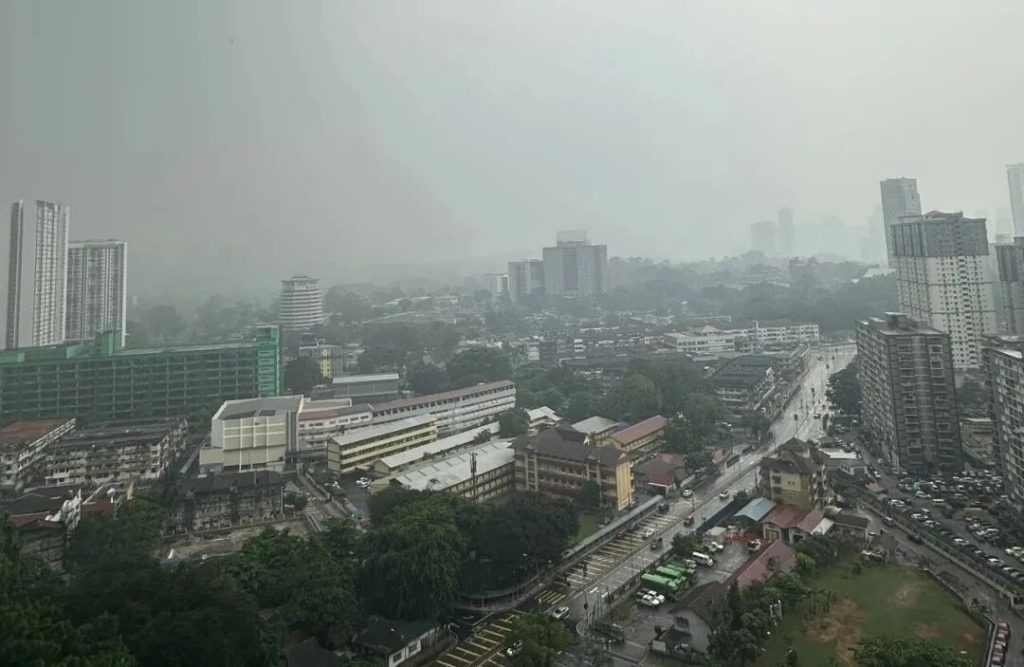
8月14日,也就是来到吉隆坡的第二天,上午9点多,从酒店房间的窗户向外望去,吉隆坡的天空已乌云密布,雨很快便倾盆而下。
On 14 August, our second day in Kuala Lumpur, at a little past nine in the morning I looked out of the hotel window: the sky over the city was already thick with black cloud, and the rain soon came down in torrents.
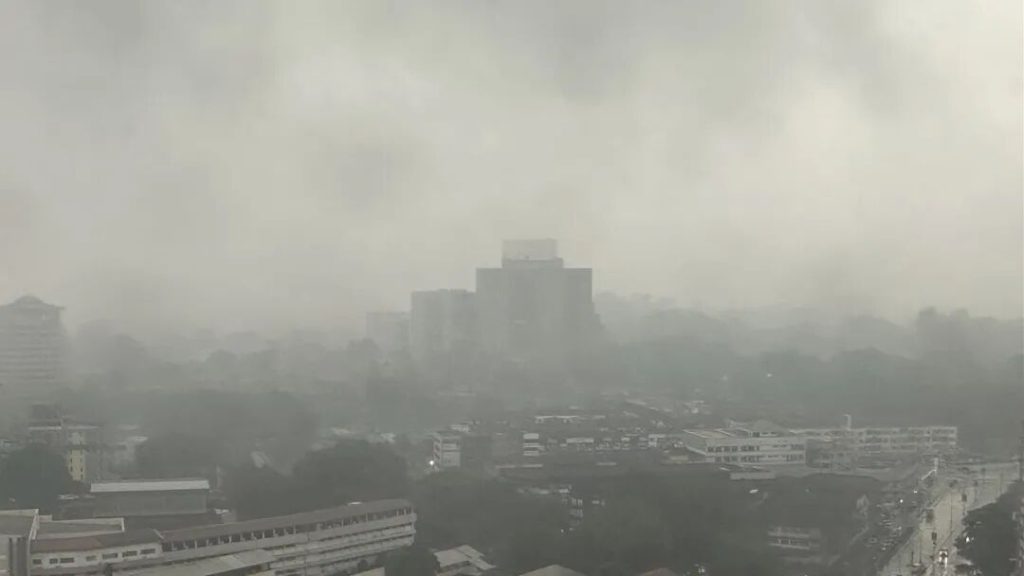
过了一阵,外面开始雷电交加,直到中午12点多钟,大雨仍在持续,丝毫没有要停的意思。心想,如果一直这样下下去,那这次旅程就真的成了专程来欣赏“翻云覆雨”了。
A while later the lightning and thunder began, and by past noon the downpour was still going with no sign of stopping. I thought to myself: if it keeps up like this, this trip really will have been a special expedition to admire the “clouds and rain”.
【百度信息】吉隆坡东临蒂迪旺沙山脉,西临印尼苏门答腊岛,形成热带雨林气候,长年温暖,日照充足,且降雨丰沛,特别是十月至隔年三月东北季风盛行时。气温长时稳定,最高温大约在摄氏31至33度之间,从未超过37.2度;最低温约在22至23.5度之间,未低于17.8度。平均年降雨量为2600毫米,虽然六月及七月较为干旱,但平均月降雨量大都超过127毫米。[Baidu Info] Kuala Lumpur lies east of the Titiwangsa Mountains and west of Sumatra in Indonesia, which gives it a tropical rainforest climate: warm all year round, plenty of sunshine and abundant rain, especially when the north-east monsoon prevails from October to March. Temperatures stay steady, with highs of about 31–33°C and never above 37.2°C, and lows of about 22–23.5°C, never below 17.8°C. Average annual rainfall is 2,600 mm; June and July are drier, but average monthly rainfall still mostly exceeds 127 mm.
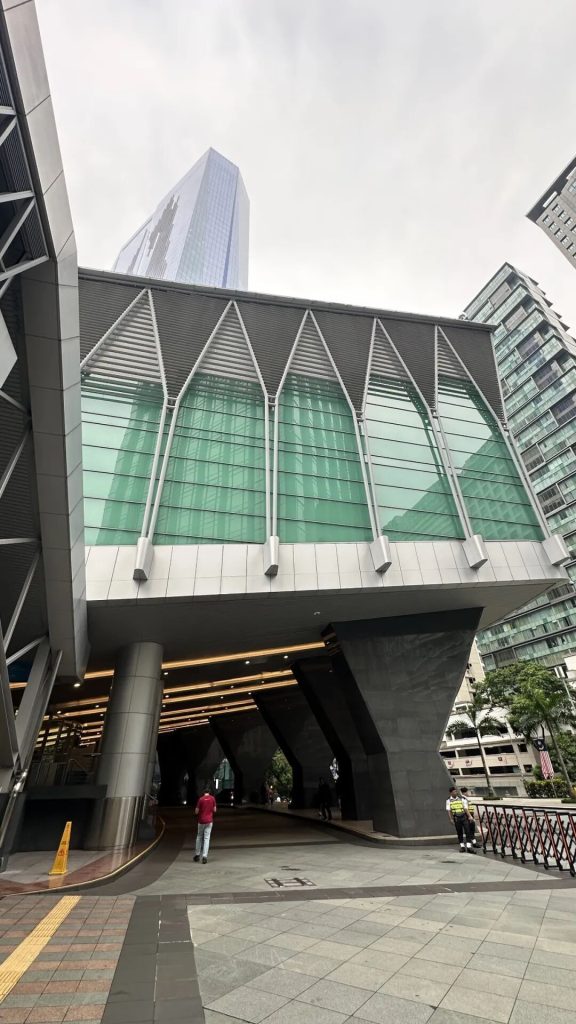
还好,下午雨停了,雨后空气凉爽、环境清新,让人倍感舒畅。
Fortunately the rain stopped in the afternoon. Afterwards the air was cool and everything felt fresh — thoroughly refreshing.
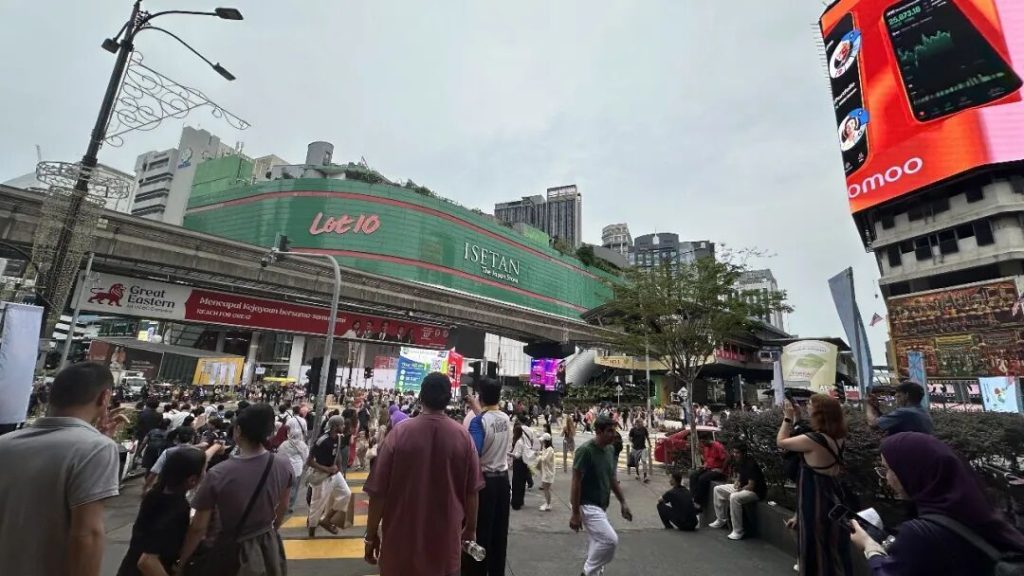
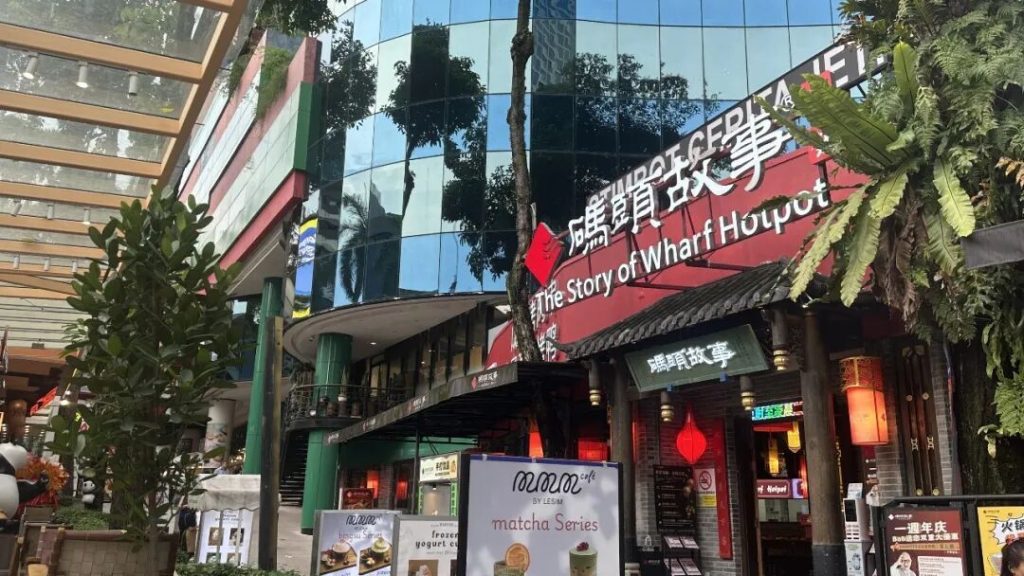
8月15日,天气晴朗,火辣的太阳让周围显得有些闷热,但这丝毫没有阻挡热爱 City Walk的各路游客。
On 15 August the weather cleared. The fierce sun made the streets feel muggy, but that in no way deterred the many visitors who love a good City Walk.
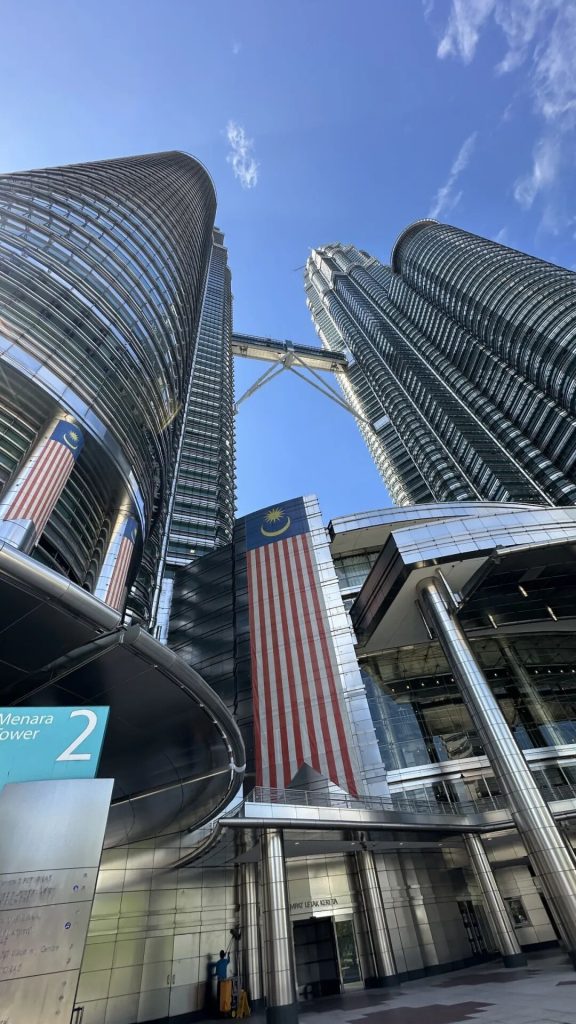
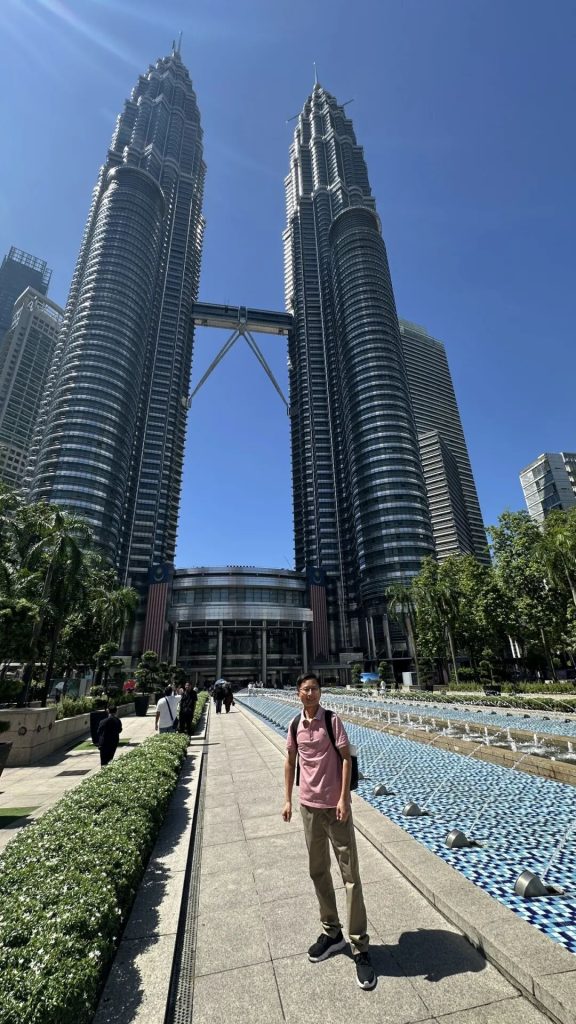



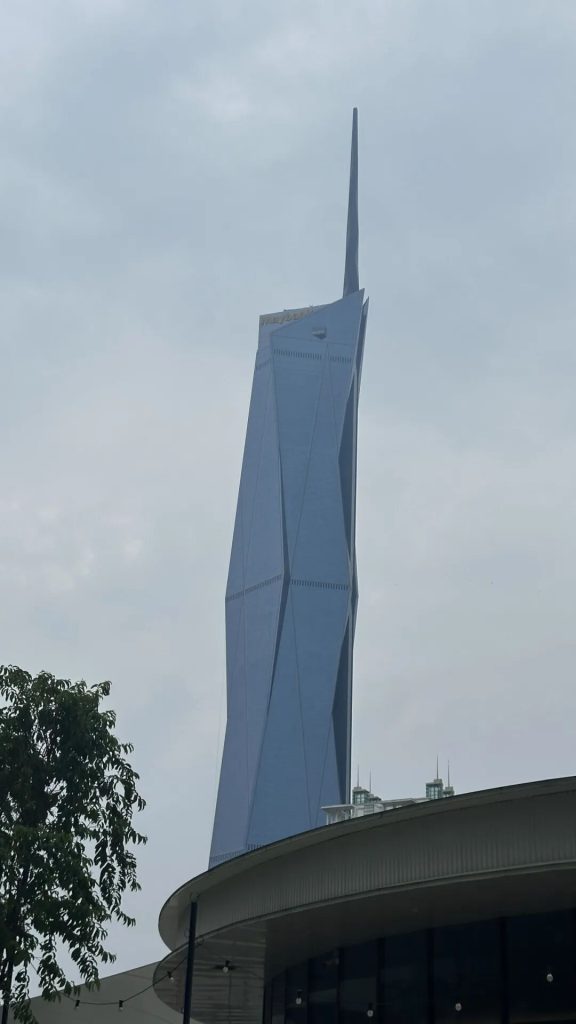
【百度信息】默迪卡118项目总高度达到678.9米,全球第二高建筑。项目名称中的“默迪卡”(Merdeka)在马来语中意为“独立”,象征着国家的独立与繁荣。大楼的设计灵感也源于马来西亚首任首相东姑阿都拉曼在宣布独立时高举右臂的经典手势,以及国旗升起的姿态,具备浓厚的国家象征意义。[Baidu Info] Merdeka 118 stands 678.9 metres tall in total, the second-tallest building in the world. “Merdeka” means “independence” in Malay, so the name symbolises the nation’s independence and prosperity. The design draws on the classic gesture of Malaysia’s first prime minister, Tunku Abdul Rahman, raising his right arm as he proclaimed independence, and on the posture of the flag being hoisted — it carries strong national symbolism.
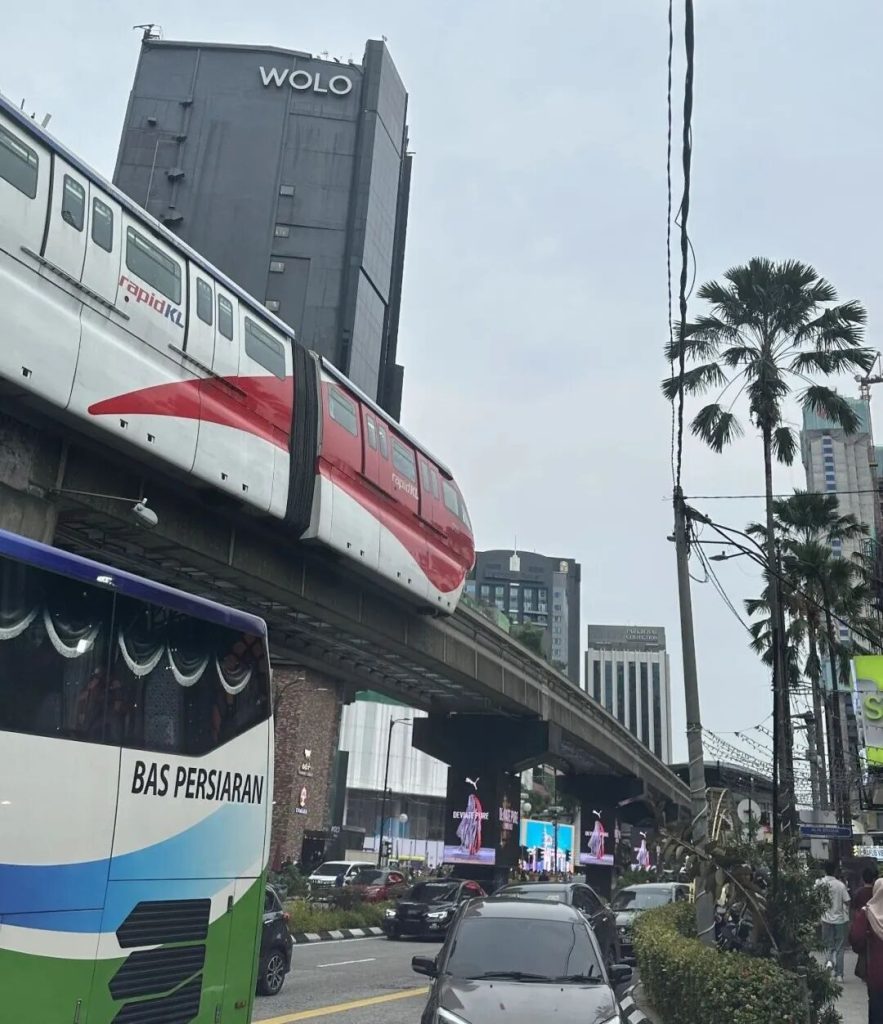

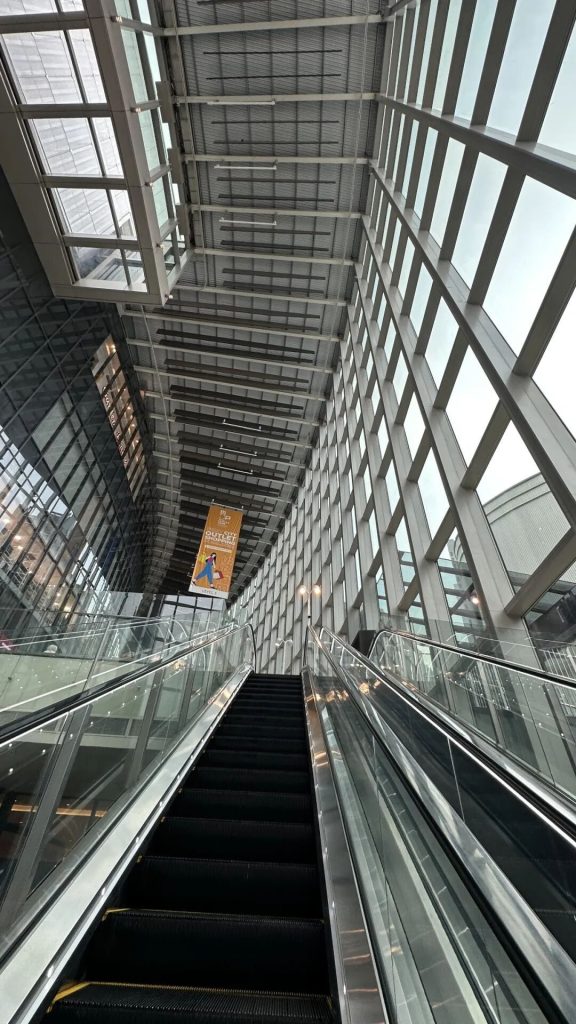
(注:本文图片来自我的个人微信公众号“兵华小伙”,图片拍摄于2026年8月14日至15日)
(Note: all images in this post come from my WeChat account 兵华小伙 — they were taken on 14–15 August 2026.)

扫码关注“兵华小伙”微信公众号
长按识别图中二维码